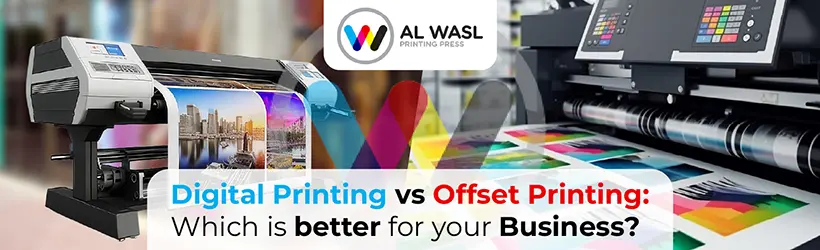
Choosing the right printing method can affect your budget, turnaround time, print quality, and final presentation. The debate around Digital Printing vs Offset Printing: Which Is Better for Your Business? usually comes down to quantity, design needs, deadline, and the type of material you want to print. Digital printing works well for short runs and personalised designs, while offset printing suits bulk orders that require consistent colors and a polished finish. Understanding how both methods work will help you make a practical choice instead of simply choosing the cheapest option.
What Is Digital Printing?
Digital printing transfers a digital file directly onto paper, card, vinyl, fabric, or another printable surface. It does not require printing plates, which makes the setup process quick and affordable.
Businesses often choose digital printing for:
- Business cards
- Flyers and leaflets
- Small product catalogues
- Invitations
- Posters
- Labels and stickers
- Personalised marketing materials
Digital printing allows you to change names, contact details, images, or promotional codes across different copies. For example, a property company can print brochures with different agent names without creating a separate plate for each version.
This method also supports quick corrections. If you notice a spelling mistake before production begins, the printer can update the digital file without changing the entire setup.
What Is Offset Printing?
People often ask what offset printing is, especially when planning a large commercial print order. Offset printing uses metal plates to transfer ink onto a rubber blanket, which then applies the image to the paper. The image does not move directly from the plate to the final surface, which explains the term “offset”.
Offset printing remains a common choice for:
- High-volume brochures
- Books and magazines
- Corporate stationery
- Packaging materials
- Annual reports
- Product catalogues
- Newspapers
- Premium marketing folders
The initial setup takes more time because the printer must prepare plates and adjust the colors. However, the cost per copy usually falls when the order quantity increases.
Businesses that need thousands of identical copies often choose quality offset printing because it delivers reliable color reproduction, sharp details, and a smooth finish.
Difference Between Offset Printing and Digital Printing
The main difference between offset printing and digital printing lies in the setup process. Digital printing starts directly from a computer file, while offset printing requires plates and press preparation.
Here is a simple comparison:
| Factor | Digital Printing | Offset Printing |
|---|---|---|
| Setup Time | Quick | Longer |
| Best Quantity | Small to Medium Runs | Large Print Runs |
| Cost for Small Orders | Lower | Higher |
| Cost for Bulk Orders | Higher Per Copy | Lower Per Copy |
| Personalisation | Easy | Limited |
| Colour Consistency | Good | Highly Consistent |
| Turnaround Time | Fast | Requires More Time |
| Material Choices | Good Range | Wider Range |
| Proofing | Easy and Quick | May Require Press Proofing |
This comparison shows why neither option is better in every situation. Your order size and purpose should guide the final decision.
Offset Printing vs Digital Printing: Which Costs Less?
In the offset printing vs digital printing cost comparison, digital printing usually costs less for short runs. You do not need to pay for printing plates or lengthy machine setup.
Suppose you need 100 flyers for an upcoming event. Digital printing will normally offer better value because production can begin quickly. Printing those same 100 flyers through offset printing may cost more due to the plate and setup expenses.
Now consider an order of 20,000 flyers. Offset printing may become the better choice because the setup cost gets spread across a larger quantity. Each additional copy becomes cheaper.
Always ask for a detailed quotation based on paper type, print size, finishing, quantity, and delivery date. A low base price may not include lamination, cutting, folding, binding, or special finishes.
Which Printing Method Offers Better Quality?
Offset printing has traditionally offered better colour accuracy, smoother gradients, and finer detail. It works well for premium brochures, luxury packaging, art books, and branded materials where colour consistency matters.
Digital printing has improved greatly and now produces sharp, professional results for most business needs. Modern machines can handle strong colours, clear images, and detailed text without the longer setup required by offset presses.
A business printing a small batch of menus may not notice a major quality difference. However, a luxury brand printing thousands of product catalogues may prefer offset printing for its consistent finish.
Printing providers such as Al Wasl can help businesses compare paper options, colour requirements, finishing methods, and order quantities before production begins.
When Should You Choose Digital Printing?
Choose digital printing when you need:
- A small number of copies
- Fast production
- Personalised content
- Frequent design changes
- Sample prints before a larger order
- Different versions of the same design
For example, a restaurant launching a weekend promotion may need only 200 flyers within two days. Digital printing offers the speed and flexibility required for this type of campaign.
It also works well for startups that want to test brochures, labels, or packaging before committing to a large order.
When Should You Choose Offset Printing?
Choose offset printing when you need:
- Thousands of identical copies
- Precise brand colours
- A low cost per copy at high volume
- Premium paper or special materials
- Consistent quality across the full order
- Special inks or finishing options
For example, a retail company printing 50,000 seasonal catalogues may save money through offset printing while maintaining the same colours and image quality across every copy.
Important Factors Before Making a Decision
Before choosing a printing method, review these points:
Order Quantity
Digital works better for smaller quantities. Offset becomes more economical as the quantity grows.
Deadline
Digital printing can handle urgent orders more easily. Offset printing needs extra preparation time.
Design Variations
Choose digital printing when every copy needs different names, codes, addresses, or images.
Colour Requirements
Offset printing may suit projects that require exact Pantone colour matching or strict brand consistency.
Paper and Finish
Discuss paper thickness, texture, coating, lamination, embossing, foil stamping, and binding before approving the order.
Which Is Better for Your Business?
The answer to Digital Printing vs Offset Printing: Which Is Better for Your Business? depends on what you are printing and how many copies you need. Digital printing gives you speed, flexibility, and better value for smaller orders. Offset printing offers consistent quality and lower per-copy costs for large print runs.
Share your quantity, artwork, deadline, size, paper preference, and finishing needs with your printing provider. Ask for a printed sample or proof when colour and quality matter. A careful comparison at the start can prevent extra costs, delays, and disappointing results.
FAQs
1. Is digital printing good for business cards?
Yes. Digital printing works well for small and medium business card orders with quick delivery.
2. Is offset printing cheaper than digital printing?
Offset printing becomes cheaper per copy when you order a large quantity.
3. Can digital printing produce high-quality images?
Yes. Modern digital printers produce sharp images and professional colours for most business materials.
4. Which method is faster?
Digital printing is usually faster because it does not require plates or lengthy press setup.
5. Which printing method is best for packaging?
Offset printing often suits large packaging orders, while digital printing works well for samples and short runs.